 Cricholic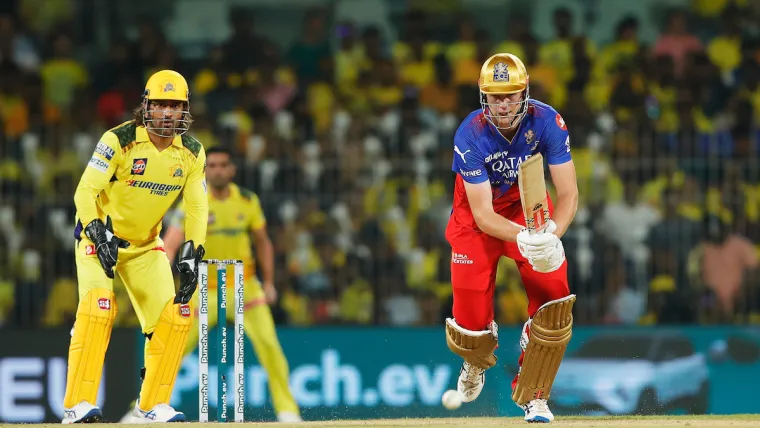
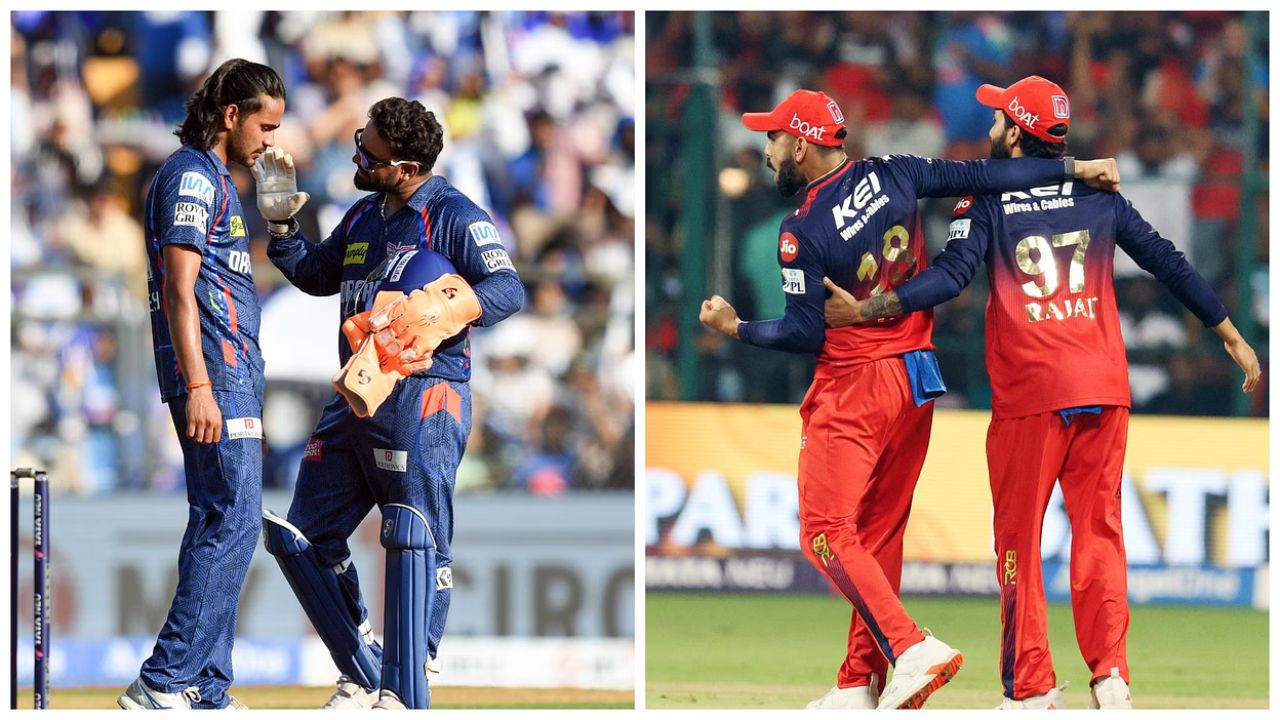
IPL Rivalry at the M. Chinnaswamy Stadium in Bengaluru had barely settled when Dinesh Karthik stood in the Royal Challengers Bangalore (RCB) dressing room. His impassioned speech resonated with his teammates. This match transcended statistics—it was about pride, passion, and the fans who lived every moment of this rivalry. Outside the stadium, Bengaluru’s streets erupted in spontaneous celebrations. Meanwhile, the digital world became a battlefield of debates and banter.
A Clash That Transformed a Fixture Into a Rivalry
The IPL is known for intense competition, but May 18, 2024, may have been the defining moment when Chennai Super Kings (CSK) vs RCB became more than just another fixture. Historically, CSK dominated this contest, winning crucial knockout matches and maintaining a superior head-to-head record. However, the cultural and geographical ties between Tamil Nadu and Karnataka have long fueled deeper emotions in this clash.
The rivalry began in 2009 when RCB defeated CSK in their first knockout encounter. But CSK’s sustained excellence overshadowed any notion of an equal contest. They won key matches, including the 2011 Final and 2015 Qualifier 2. Even in close encounters, RCB often found themselves on the wrong side of history. Moments like RP Singh’s infamous no-ball in 2013 or MS Dhoni’s match-winning 70* in 2018 added to their woes.
Beyond Cricket: A Cultural and Political Undertone in the Rivalry
While IPL teams do not traditionally build loyalties around local players, CSK and RCB’s rivalry is influenced by Tamil Nadu-Karnataka dynamics. From Ranji Trophy clashes to the long-standing Kaveri river dispute, these states share a complex relationship. Even off the field, former cricketers like Venkatesh Prasad have compared this IPL rivalry to domestic cricket battles of the past.
The franchises themselves contrast sharply in branding. CSK maintains a grounded, mass-appealing identity, mirroring the humble dominance of MS Dhoni. RCB, associated with Virat Kohli and global superstars, exudes a more elite persona, reflecting Bengaluru’s cosmopolitan nature. These contrasting identities only heighten the emotions attached to their encounters.
Social Media Wars and the Role of Broadcasting in the Rivalry
Modern-day rivalries extend beyond stadiums, reaching their loudest echoes on social media. RCB fans taunt CSK over their two-year IPL suspension. CSK supporters fire back, mocking RCB’s lack of titles. This digital animosity has intensified with regional-language commentary and ex-cricketers openly displaying franchise biases on live TV.
Star Sports Tamil, for example, tailors its broadcasts to engage CSK fans, adding fuel to an already heated rivalry. This shift from neutral coverage to overt fandom blurs the line between professional analysis and fan-driven content. It makes the CSK-RCB clash even more compelling.
The Night That Changed Everything in This Rivalry?
RCB’s win at Chinnaswamy on May 18, 2024, was more than a regular league victory. It was cathartic for their fans, a moment of defiance against years of heartbreak. This win carried emotional weight, suggesting that the rivalry had truly evolved beyond a marketing construct.
Virat Kohli has often downplayed IPL rivalries, emphasizing unity when players represent India. However, the league has matured. Retired players transition into broadcasting, deepening franchise loyalty. Younger IPL fans, growing up in an era where franchise cricket overshadows bilateral series, may intensify these allegiances further.
A Rivalry That’s Here to Stay
From nail-biting finishes to off-field drama, the CSK-RCB rivalry has found new life. Even pop culture embraces it. Tamil cinema’s blockbuster Dragon featured an RCB-supporting protagonist in Chennai, symbolizing the deep emotional connections this fixture evokes.
It’s no longer just about records or titles. It’s about moments, identity, and an undying belief that, for those four hours on match night, it all matters just a little more.