 Cricholic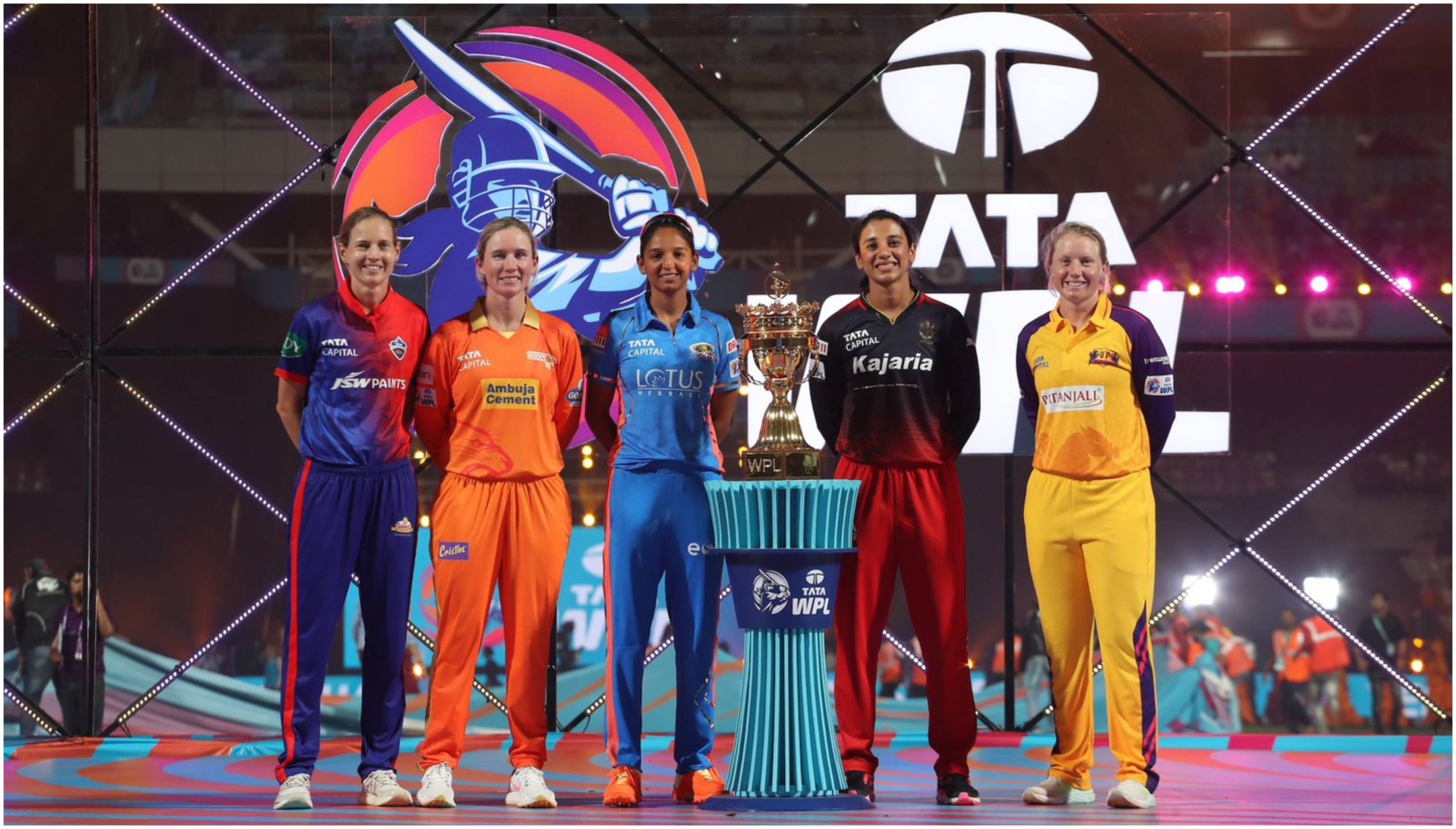
In August 2024, two Pakistani cricket administrators discussed women’s cricket. Their conversation took an interesting turn when they agreed that India, Australia, and England play among themselves too often, sidelining players from other nations.
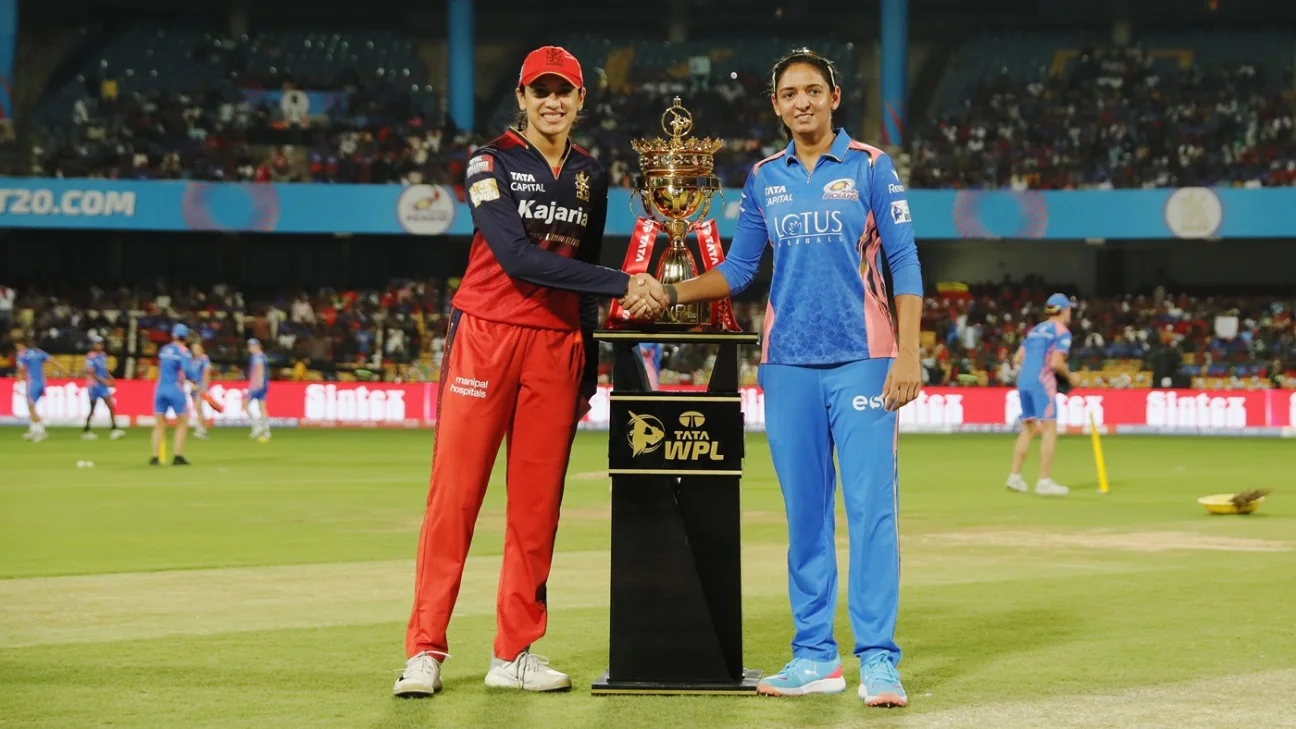
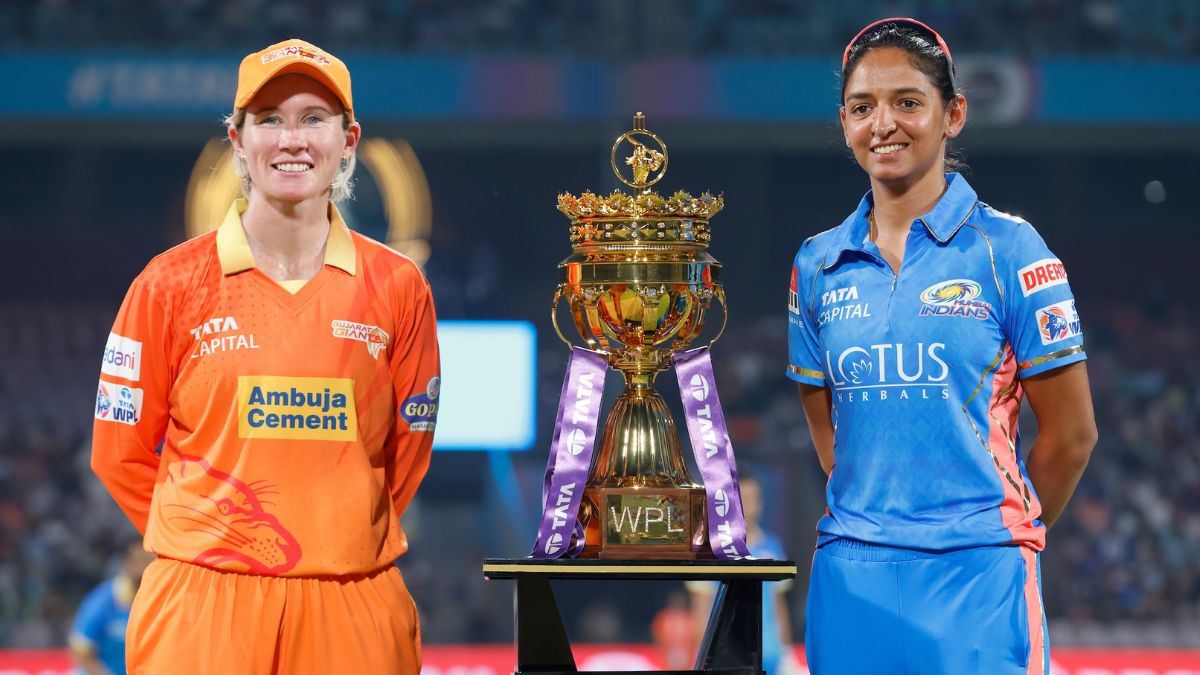
While the ICC’s World Championship schedules ensure a relatively balanced number of matches for Full Member teams, frustration arises from the overwhelming presence of Indian, Australian, and English players in major franchise leagues. The issue isn’t just about these teams playing more international matches but also the frequent selection of their players in elite leagues like the Women’s Premier League (WPL), Women’s Big Bash League (WBBL), and The Hundred.
Limited Opportunities for Players from Smaller Nations
Some top players from the West Indies, South Africa, and New Zealand have gained opportunities in these leagues, but Pakistan’s women cricketers remain largely overlooked. Nida Dar is the only Pakistani player to have ever featured in any of these three leagues, playing in the WBBL in 2019. Players from Ireland, Scotland, and even the USA have had more representation.
Player Participation Breakdown (Till WPL 2025):
| Country | WBBL | WPL | The Hundred |
|---|---|---|---|
| Australia | 176 | 17 | 31 |
| England | 33 | 7 | 108 |
| India | 13 | 73 | 6 |
| New Zealand | 17 | 3 | 7 |
| West Indies | 4 | 3 | 3 |
| South Africa | 10 | 4 | 8 |
| Sri Lanka | 1 | 1 | 1 |
| Scotland | 3 | 2 | 4 |
| USA | 1 | 1 | 1 |
| Ireland | 4 | – | 1 |
| Netherlands | – | – | 1 |
The Growing Divide in Women’s Cricket
A key reason behind this disparity is the limited overseas slots in each league, making it difficult for lesser-known players to get picked. Even when players receive contracts, many struggle to get playing time. For example, South Africa’s Shabnim Ismail and Australia’s Annabel Sutherland spent most of their WPL seasons on the bench. This raises concerns about whether Pakistan’s top talents, like Fatima Sana, would ever get a fair chance.
T20 leagues have played a crucial role in developing domestic talent. Australia has leveraged its WBBL to produce world-class players, while England and India have followed suit. The exposure to competitive environments, better facilities, and financial rewards has helped these nations bridge the gap between domestic and international cricket.
The Need for More Women’s Leagues
Despite the proven benefits of T20 leagues, most Full Member nations still lack a dedicated competition. Australia’s decade-long WBBL dominance reflects its success, whereas boards like Pakistan and Bangladesh continue to delay launching their own leagues. Former PCB chairman Ramiz Raja announced plans for a Pakistan Women’s League in 2021, but no concrete steps have followed.
The increasing divide between well-funded cricket boards and those struggling to invest in women’s cricket threatens to widen the gap in global competition. Without immediate efforts to establish more domestic leagues, many talented players will remain unnoticed, and the dominance of a few elite teams will continue.
Conclusion
To ensure a more balanced and competitive landscape in women’s cricket, cricket boards must invest in domestic leagues. The WPL, WBBL, and The Hundred have shown how franchise cricket can elevate players, but without similar leagues in other countries, the gulf between top-tier teams and the rest will only grow.