 Cricholic
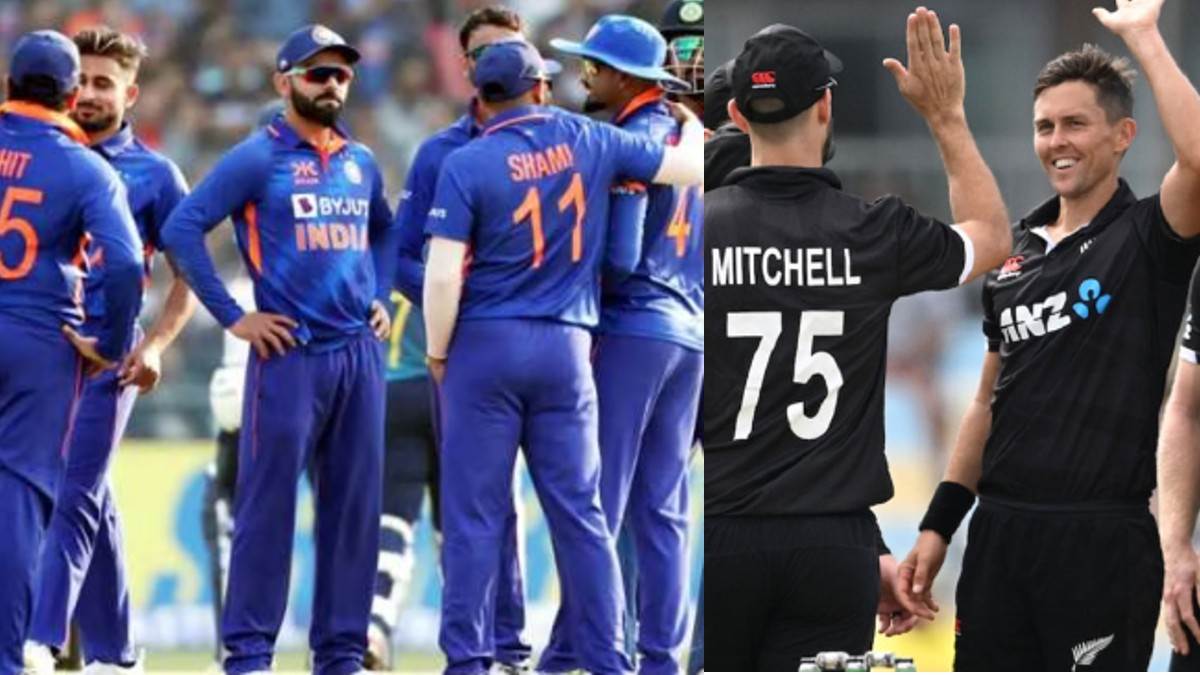
The final group match of the tournament between New Zealand and India may not impact qualification, as both teams have secured semi-final spots. However, the result will determine their opponents in the knockout stage. The winner will face Australia, while the other team will take on South Africa.
Additionally, this match offers New Zealand an opportunity to adapt to Dubai’s pitch conditions, which have slowed down due to heavy usage following the ILT20 and India’s earlier games. Most of their players are familiar with this venue, but adjusting to the current playing surface could be key for the semi-finals.
New Zealand’s Tactical Adaptability
New Zealand is the only team in the semi-finals to have played at four different venues. Australia has played multiple matches in Lahore, while South Africa has stayed in Karachi for their games. Meanwhile, New Zealand’s journey has taken them from Karachi to Rawalpindi, and now to Dubai.
Their ability to adjust was evident during their pre-Champions Trophy tri-series in Pakistan, where they defeated Pakistan and South Africa in Lahore and Karachi. Glenn Phillips highlighted the importance of adapting to different conditions.
“We have two top-quality spinners in Mitchell Santner and Michael Bracewell, with Rachin Ravindra and myself providing extra bowling options. Our pace attack is well-balanced, with Matt Henry, who thrives on hard surfaces, alongside the tall duo of Kyle Jamieson and Will O’Rourke, who generate bounce and variation,” Phillips explained.
Understanding Dubai’s Challenge
Phillips acknowledged that Dubai’s conditions differ significantly from what New Zealand has encountered in Pakistan.
“Every pitch in Pakistan has been unique, offering a great learning experience. Dubai will be another challenge, with a slower surface, minimal grass cover, and possibly a sluggish outfield. Our adaptability will be crucial,” he said.
The Race to Finish on Top
While Phillips initially thought there was no reserve day for the Lahore semi-final, he later confirmed its availability. However, if a no-result occurs across both days, the group leader will advance to the final.
Despite this, New Zealand is motivated to finish at the top.
“Winning every match builds confidence and momentum, which are crucial in tournaments like this. Finishing first in the group gives us a strong boost heading into the semi-finals,” Phillips added.
As the tournament heads toward the knockout stage, both New Zealand and India will be eager to maintain winning momentum, making this final group match a highly anticipated contest.